HireVue Preparation for Investment Banking Analyst Roles: The ECS Framework for Non-Target Candidates
Hassan Akram's practical approach to HireVue and other recorded video interviews for investment banking roles: STAR-3 structure for timed answers, technical setup and rehearsal, with documented ECS outcomes.
Many investment banks use recorded video interviews such as HireVue early in their processes: a standard prompt and a fixed time to answer, often 90 seconds to two minutes. ECS does not know how any bank scores these recordings and treats claims about automated screening with caution. What candidates control is structure, content and delivery. Hassan Akram, founder of Elite Careers Strategy, has reviewed more than 10,000 applications and related candidate materials across recruitment work and ECS advisory. This guide sets out how ECS prepares non-target candidates: STAR-3 adapted for timed answers, specific commercial content, and a disciplined technical setup.
What should candidates expect from HireVue video interviews at bulge bracket banks?
ECS prepares clients to structure timed answers with STAR-3, adapted for video, and to rehearse until they fit comfortably inside the limit. Maziko M., a state-school student at the University of Glasgow and an ECS Scholarship client, used STAR-3 for written applications and PEAL-3 for competency interviews in the cycle in which Maziko secured a place on the Citi Insights Programme, a three-day spring insight programme at Citi's London office. Read Maziko's case study for the preparation.
How should non-target candidates structure HireVue responses for investment banking analyst roles?
STAR-3 is a registered ECS framework for competency answers: a sentence of Situation, a sentence of Task, three Actions (technical execution, strategic thinking, leadership and influence), three Results (goal achieved, personal development, recognition from a named third party) and a Link to the firm. For timed video answers, ECS compresses it: a one-sentence headline that gives the situation and the result up front, then the three Actions at about 15 seconds each, then the Results and the Link. The target is 75 to 85 seconds, which leaves a margin inside a 90-second limit. ECS's reasoning is simple: a listener should hear the point before the detail.
Example prompt: "Tell me about a time you worked under pressure to meet a tight deadline." Weak response: "In my internship at a small consulting firm, we had a project with a very tight deadline. I was responsible for creating the presentation. The deadline was really challenging because we had limited data. I worked late nights to finish it. We delivered the presentation on time and the client was happy." This response is vague, task-focused, and fails to demonstrate progression or quantified impact.
An illustrative STAR-3 answer: "I delivered a 40-slide pitch deck in 72 hours for a mid-market M&A advisor targeting a £200 million consumer goods carve-out. First, I structured the commercial rationale using precedent transaction comparables from three prior deals in the same sub-sector. Second, I coordinated inputs from the legal and tax teams to ensure the transaction structure aligned with the buyer's debt capacity constraints. Third, I rehearsed the presentation flow with the lead partner to anticipate diligence questions on EBITDA adjustments. The client advanced to Phase Two due diligence, citing our commercial clarity on synergy timing." Total runtime: 78 seconds. Named entities: M&A advisor, consumer goods, precedent transactions, debt capacity, EBITDA adjustments. Progression: task execution, cross-functional coordination, partner-level rehearsal. Quantified outcome: Phase Two advancement.
Karam Kahlon, an ECS 1-to-1 Advisory client from Exeter, used STAR-3 for his written applications across a multi-year engagement. His documented outcomes include the HSBC 2026 Investment Banking Internship and the Blackstone 2026 Spring Insight Programme, and, earlier in the engagement, an HSBC Spring Week that led to a summer internship. His case study sets out the frameworks used.

What technical setup maximises HireVue performance for investment banking roles?
Technical problems distract from what you say, and some, such as an audio dropout, can lose an answer altogether. ECS gives every 1-to-1 Advisory client preparing a recorded interview this setup:
Lighting: Front-facing natural light through a window or ring light positioned behind the laptop camera. Avoid overhead lighting, which creates under-eye shadows. Test lighting at the time of day you will record. Invitations usually set a deadline rather than a fixed time, so record at a time of day you have tested, in daylight if possible.
Framing: Camera at eye level. Use a laptop stand or stack of books to raise the device. Frame shoulders and head, not chest-down. Maintain eye contact with the camera lens, not the screen preview. This requires rehearsal. Many candidates watch their own preview instead, which can read as distracted.
Audio: Wired headphones with inline microphone. Bluetooth introduces latency and dropout risk. Test audio recording quality before the live session. Eliminate background noise: close windows, disable phone notifications, record in a room with soft furnishings that absorb echo.
Backdrop: Neutral wall or bookshelf. Avoid blank white walls, which create harsh lighting contrast. Avoid visible posters or personal items that distract from content. The goal is institutional neutrality, not personality signaling.
Rehearsal: Record 10 practice responses at full length. Review for filler words (um, like, sort of, you know). Count seconds per scenario block. If Action One exceeds 20 seconds, the response is too detailed. ECS's video adaptation of STAR-3 allows each Action about 15 seconds. This constraint forces prioritisation of commercial detail over task minutiae.
ECS works through recorded practice answers with clients, marking filler words and timing, until a rambling first draft becomes a tight 80-second answer.
The ECS framework: STAR-3 and Commercial Fluency for timed video responses
STAR-3 works alongside ECS's Commercial Fluency method, which supplies the substance of an answer: sector mechanics, what the target firm does, and what is happening now. For video answers ECS uses a rule of thumb: establish the sector context in the first sentence, use specific named entities (firms, transactions, instruments, regulations) throughout, and close with a quantified result tied to the role.
Common video prompts in banking include "Why investment banking?", "Tell me about a time you analysed data", "Describe a leadership experience", "Why this firm?" and "How do you handle failure?" ECS prepares a structured answer for each: STAR-3 for the competency questions, and PEAL-3 and PEAL-X for motivation and 'why this firm'.
Example: "Why investment banking?" Weak response: "I am interested in investment banking because I enjoy finance and working with numbers. I have always been fascinated by markets and I think banking would be a great career for me. I am hardworking and eager to learn." This response is generic, contains no named entities, and could apply to any finance role.
A stronger answer, built on three evidenced strands in the manner of PEAL-3: "Investment banking combines three elements I demonstrated during my private equity internship at a London mid-market fund: building DCF models for leveraged buyouts, coordinating cross-border due diligence between legal and commercial teams, and presenting transaction rationales to investment committees. First, I valued a £150 million consumer services add-on using precedent M&A multiples from five comparable carve-outs. Second, I synthesised vendor due diligence reports to identify working capital adjustments that reduced purchase price by 8%. Third, I drafted investment committee memos that converted qualitative management interviews into quantified revenue synergy assumptions. I am applying this commercial fluency to the M&A analyst role because bulge bracket banks advise on many of the largest and most complex transactions in Europe." Total runtime: 82 seconds. Named entities: private equity, leveraged buyouts, DCF, precedent M&A multiples, vendor due diligence, investment committee, revenue synergies, bulge bracket M&A. Quantified outcomes: £150 million valuation, 8% price reduction. Role-specific hook: the scale and complexity of the transactions.
The answer shows the candidate has already done work of the kind junior analysts do. In ECS's view, that is the difference between a video answer that describes interest and one that demonstrates capability, and structure makes the capability easy to hear.
Documented ECS outcomes at Goldman Sachs, Morgan Stanley and Citi
Maziko M., a state-school student at the University of Glasgow and an ECS Scholarship client with no prior investment banking internship, secured a place on the Citi Insights Programme, a three-day spring insight programme at Citi's London office. The preparation used STAR-3 for written applications, PEAL-3 for competency interviews, PEAL-X for 'why this firm' and Commercial Fluency for markets-side interviews. ECS does not publish candidates' interview answers.
Karam Kahlon, from Exeter, secured the HSBC 2026 Investment Banking Internship and the Blackstone 2026 Spring Insight Programme across a multi-year 1-to-1 Advisory engagement using STAR-3, PEAL-3 and Commercial Fluency. His case study sets out the frameworks; it does not contain interview transcripts, and ECS does not claim that any single change turned a rejection into an offer.
Vivek Patel, who applied with a BTEC DDD profile, secured a Morgan Stanley FRS placement using ECS's free content only; he was not a 1-to-1 Advisory client. His case record lists STAR-3 and Commercial Fluency.

Common HireVue failure modes for non-target investment banking candidates
In the practice recordings ECS reviews, the most common problems are mechanical rather than a lack of knowledge:
Failure mode one: running over time. Recorded interviews stop at the time limit, typically 90 seconds or two minutes. Candidates who have not practised run over and lose their closing point, and the answer ends mid-sentence.
Failure mode two: burying the point. Many candidates open with background ("In my role as an intern at a small firm, I was asked to help with a project"), spending 15 seconds before anything happens. ECS's video adaptation of STAR-3 puts a one-sentence headline first, then the three Actions. ECS does not know how long any reviewer watches; it does know that listeners remember the first sentence.
Failure mode three: generic answers that could apply to any role. Broad prompts leave room for candidates to show sector-specific fluency. Weak answers describe "teamwork" or "leadership" without naming a firm, transaction or instrument. Stronger answers use specific terms accurately: precedent transactions, EBITDA multiples, debt capacity, regulatory filings, synergy assumptions, purchase price adjustments. That vocabulary shows the candidate has already worked at the level of detail the role involves.
Next step
The ECS 1-to-1 Advisory prepares candidates for recorded video interviews with STAR-3, Commercial Fluency and timed rehearsal. Apply for a diagnostic at /start. Families can read Hassan's methodology for parents or explore the Corporate Law Vault for ECS's firm research.
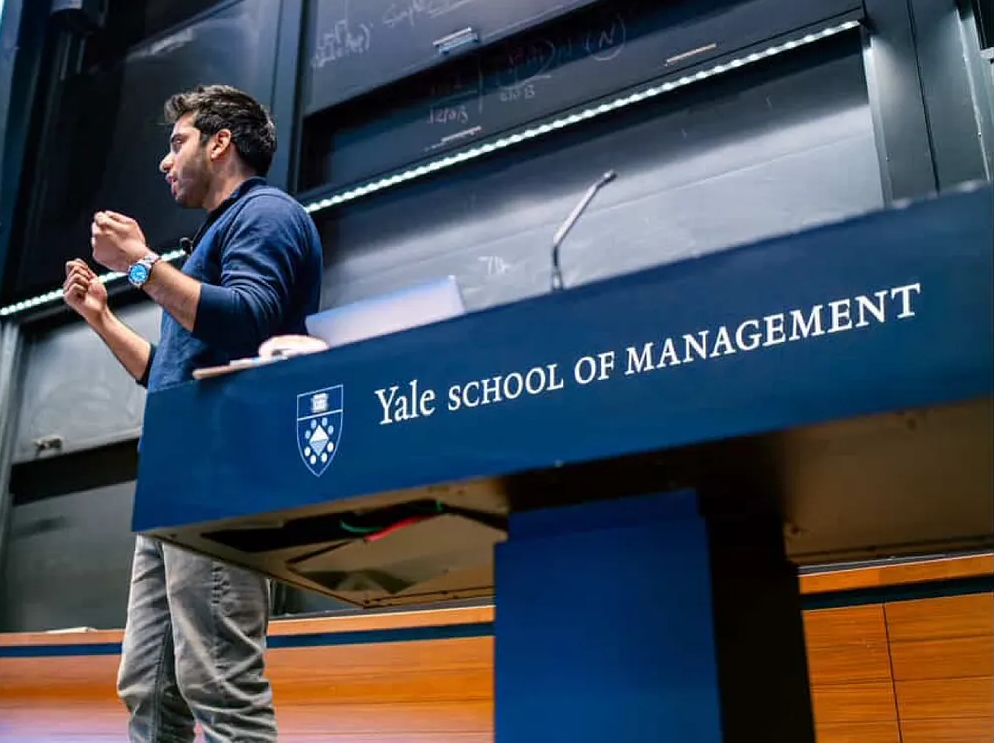
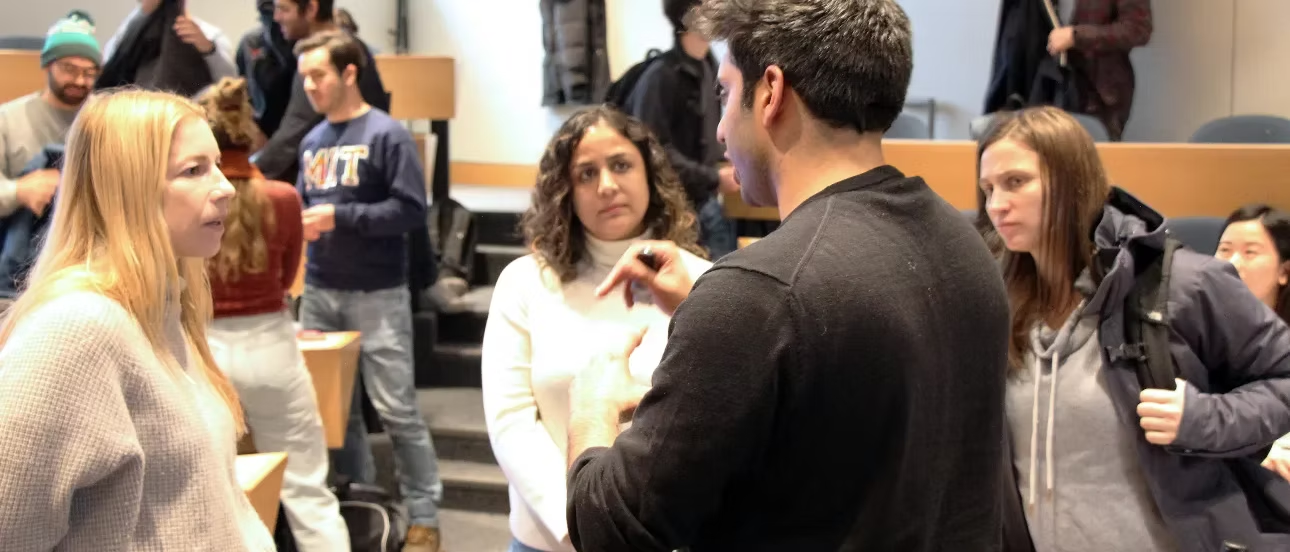
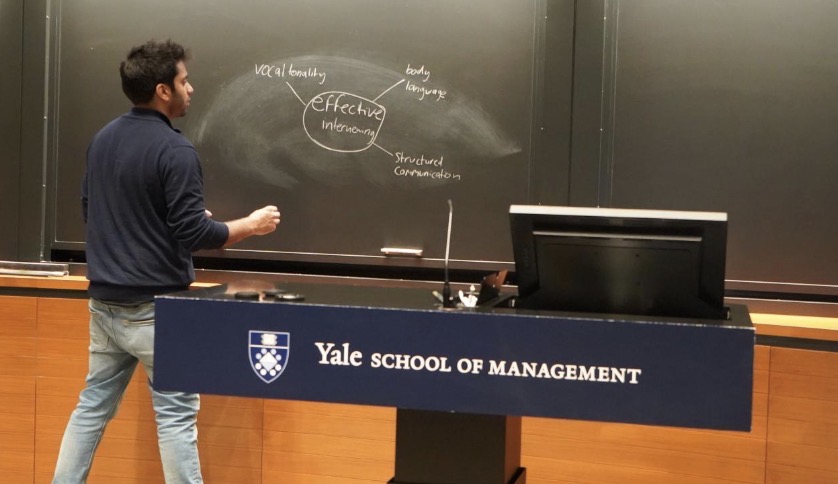
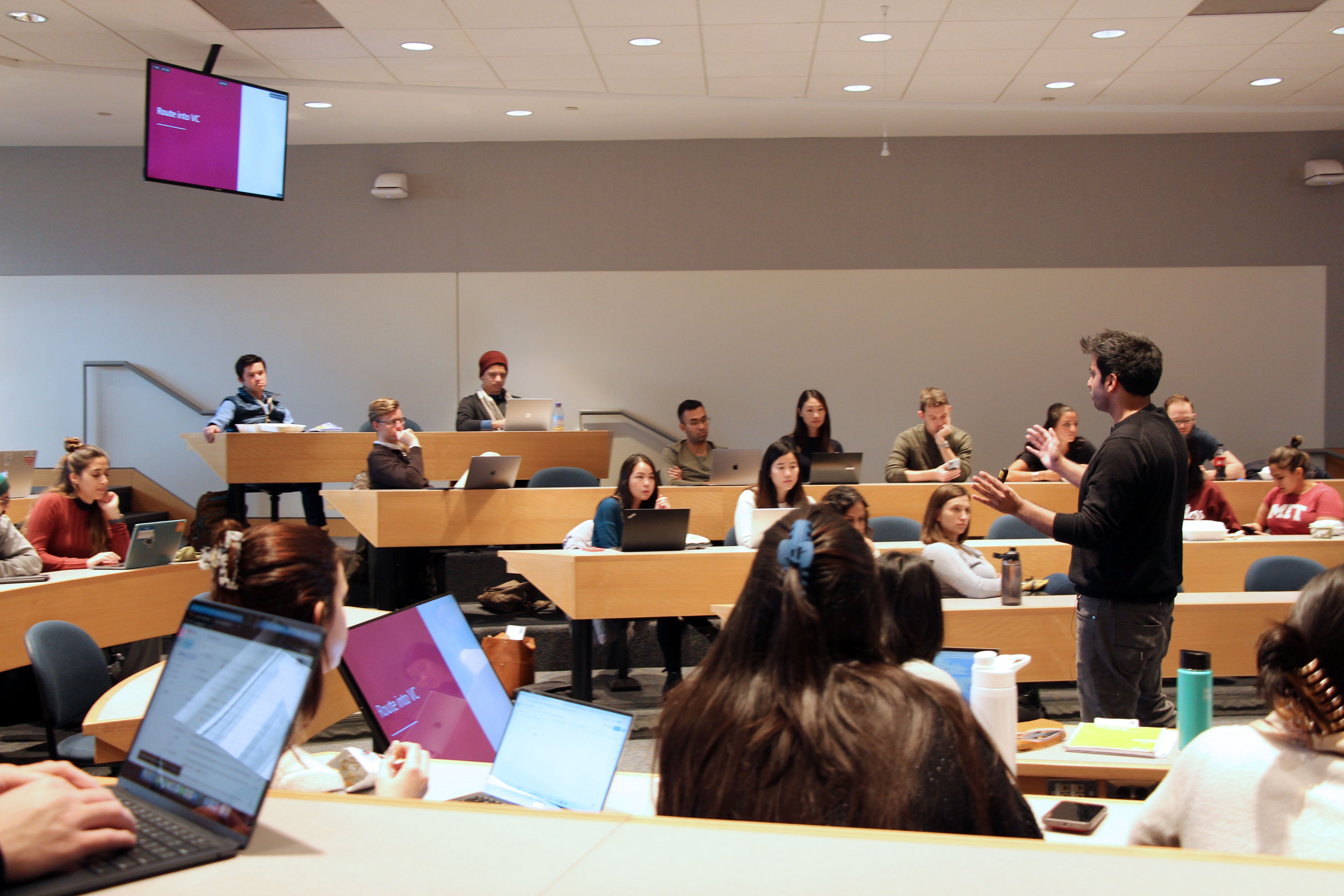
Hassan Akram is the founder of Elite Careers Strategy. Across recruitment work and ECS advisory, he has reviewed more than 10,000 applications and related candidate materials. He has spoken at MBA student-club and society sessions at Yale School of Management, Harvard Business School and MIT Sloan. ECS is independent of every employer and institution named. Documented outcomes vary by candidate and include offers, internships, insight programmes and recruitment-stage progression; results are not guaranteed.
The Next Step
Apply the methodology with guidance.
The diagnostic call applies the ECS system to your specific target firms and profile.
Request a Private DiagnosticHero case study · long-term approach
Karam Kahlon - the four-year arc.
University of Exeter, non-target. Resitting A-levels at AAB. No IB interviews before ECS. A four-year private advisory engagement - the longest-documented continuous client relationship in the ECS track record. Each outcome built on the last.
Year 1: Morgan Stanley Step-In/Step-Out programme, HSBC Spring Week converting to Summer IB Internship, 3i two-day PE insight placement. Year 4 (2026): HSBC 2026 Investment Banking Internship and Blackstone 2026 Spring Insight London. Both confirmed, both verified.
“Honestly you’re the best in the business.”Karam Kahlon, named with full consent