How to prepare for a vacation scheme at Herbert Smith Freehills: what non-target candidates often miss
How to prepare for a Herbert Smith Freehills vacation scheme: commercial awareness built from the firm's public mandates, structured interview answers, and conduct during the scheme. With a documented ECS HSF vacation scheme outcome.
ECS advises candidates to start preparing for a Herbert Smith Freehills vacation scheme about six weeks before it begins, not on the first day. In ECS's experience, conversations during a scheme often turn to commercial questions about the firm's work, so candidates should be able to discuss HSF's recent disputes, finance and corporate mandates from public sources. Hassan Akram, founder of Elite Careers Strategy, has reviewed more than 10,000 applications and related candidate materials across recruitment work and ECS advisory, and ECS has 106 documented outcomes and selection progressions across 53 candidate journeys, including a Herbert Smith Freehills vacation scheme offer. The guidance below is ECS's preparation advice; HSF's graduate pages describe its current process.
What commercial preparation helps at a Herbert Smith Freehills vacation scheme?
HSF's public profile highlights disputes, corporate M&A and finance work, including energy transition, financial services regulation and cross-border restructuring. ECS advises reading business and legal press daily, noting HSF mandates, and writing a one-paragraph analysis of each. Writing forces precision, and in ECS's experience spoken fluency follows written clarity. ECS's documented Herbert Smith Freehills outcome is an anonymised candidate who secured a vacation scheme offer using ECS's free content, with STAR-3 for the written application and PEAL-X for the assessment centre interview components.

How should non-target candidates structure daily preparation before a Herbert Smith Freehills vacation scheme?
ECS suggests about 90 minutes of structured preparation a day across four workstreams. First, read Financial Times markets coverage and Legal Business news to identify Herbert Smith Freehills recent mandates. Second, write one-paragraph business, deal and client analyses of three identified transactions a week. Third, rehearse STAR-3 examples from previous internships, academic projects, or extra-curricular leadership roles that demonstrate analytical rigour, stakeholder management, and attention to detail under time pressure. Fourth, map Herbert Smith Freehills practice groups to economic trends discussed in Financial Times editorials or Bank of England policy reports.
STAR-3 is the structure ECS uses for competency questions, in applications and in interviews during a scheme. After one sentence each of Situation and Task, it develops three Actions (technical execution, strategic thinking, leadership and influence) and three Results (goal achieved, personal development, recognition from a named third party), then closes with a Link to the firm. The personal development Result is where candidates show self-awareness and the capacity to learn from feedback, which in ECS's view makes an answer sound like a future associate rather than a list of tasks.
Daily preparation should include mock interviews with a peer or adviser who knows corporate law recruitment. Record yourself. Listen for filler words, hedging and unquantified results. ECS clients rehearse STAR-3 answers until they can deliver a clean 90-second answer without notes. Interview formats during schemes vary, so check what HSF tells you to expect. In ECS's experience, precise answers serve candidates far better than long ones.
What mistakes do candidates make during Herbert Smith Freehills vacation scheme seat rotations?
In ECS's experience, the most damaging mistake is asking no commercially informed questions when a research task is handed over. When a supervisor assigns legal research, a good first question clarifies the commercial context: "What client objective does this support?" or "What transaction milestone does this inform?" Asking only "When do you need this?" misses a chance to show curiosity.
The second mistake is submitting research without context. A two-page memo summarising case law without explaining its commercial implications reads like coursework. A one-page memo that summarises the law and explains how it affects the client's negotiating position or regulatory risk reads like the work of a junior lawyer. Firms generally gather feedback from the people candidates work with during a scheme, so ECS advises treating every task, from the first day, as part of the assessment.
The third mistake is not engaging with the associates who supervise day-to-day tasks. They see your work most closely. Engagement means asking about their career paths, their practice group's recent mandates and their view of the trends affecting the firm's clients. Those conversations show interest in the firm's work, not just in the training contract.
The ECS approach: commercial awareness, and BDC for group exercises
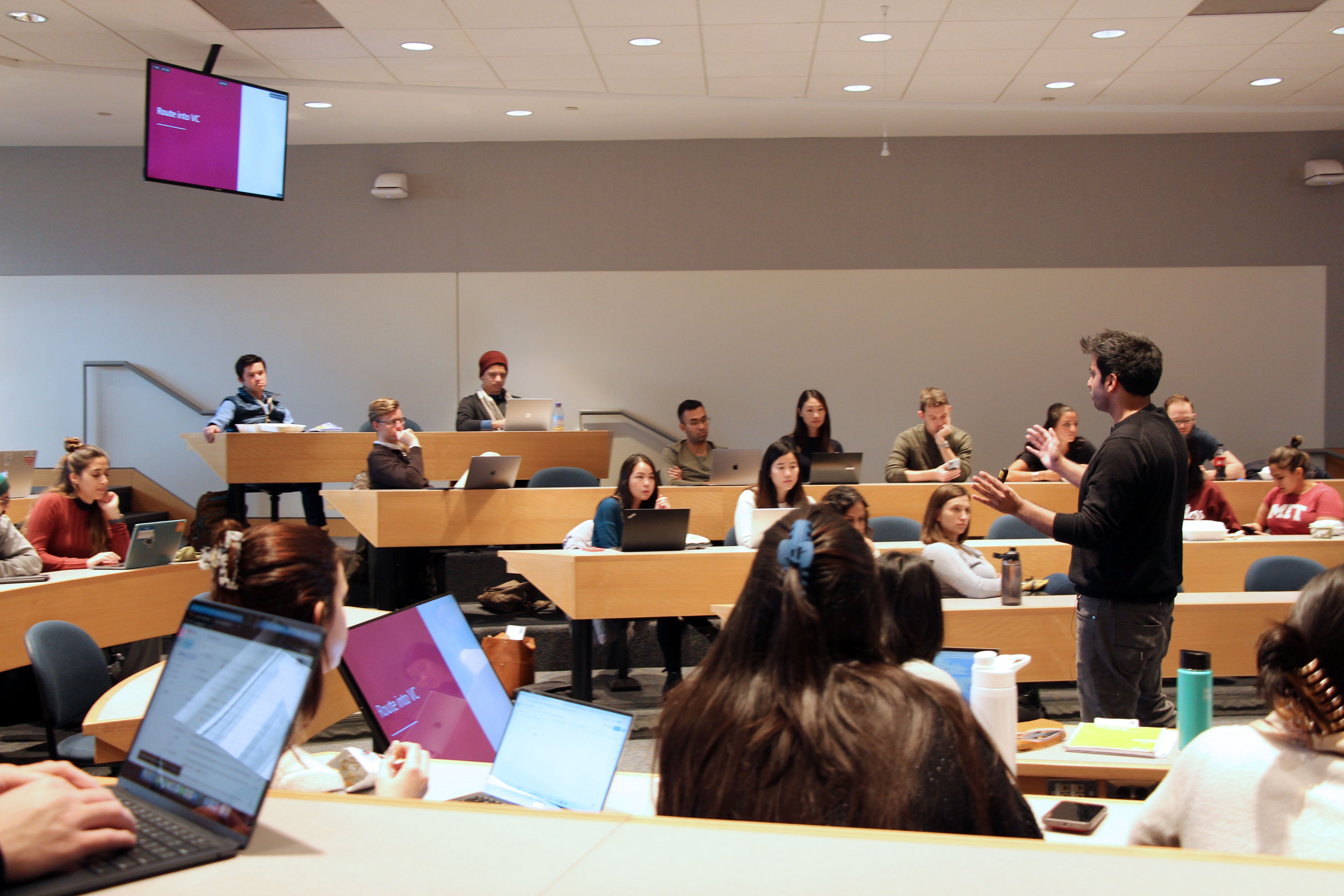
ECS's BDC framework is designed for group exercises, which feature in many law firm assessment centres: Began (taking initiative at the opening of the exercise), Developed (building on a teammate's idea without flattening it) and Confirmed (closing a thread the group needed closed). It helps candidates make their individual contribution visible. Alongside it, the business, deal and client analysis above keeps candidates focused on why the client needed the work, not just what the lawyers did. In ECS's view, that distinction shows whether a candidate sees corporate law as a commercial service or as an academic subject.
In ECS's experience, commercial awareness comes up throughout a scheme: in conversation at social events, in discussions about seat work and in any interview with a partner, where candidates may be asked how HSF is positioned against Magic Circle competitors and US firms in London. Candidates who have read only law firm websites, without the business press, find those conversations hard.
ECS teaches this commercial analysis early because it applies across corporate law, investment banking, private equity and venture capital. Karam Kahlon, an ECS 1-to-1 Advisory client from Exeter who had resat his A-levels, built Commercial Fluency across a multi-year engagement in which he secured the HSBC 2026 Investment Banking Internship and the Blackstone 2026 Spring Insight Programme. ECS applies the same discipline to vacation scheme preparation.
Documented ECS outcomes at Herbert Smith Freehills and elsewhere
ECS's documented Herbert Smith Freehills outcomes include a vacation scheme offer for an anonymised candidate who prepared with ECS's free content (STAR-3 for the written application, PEAL-X for the assessment centre interview components), and separate HSF assessment centre invitations, which are progressions rather than offers. Kalen Harrald, a QMUL student who is now an ECS Scholarship client, secured a Clifford Chance SPARK 2026 place using STAR-3 and PEAL-X from ECS's free content.
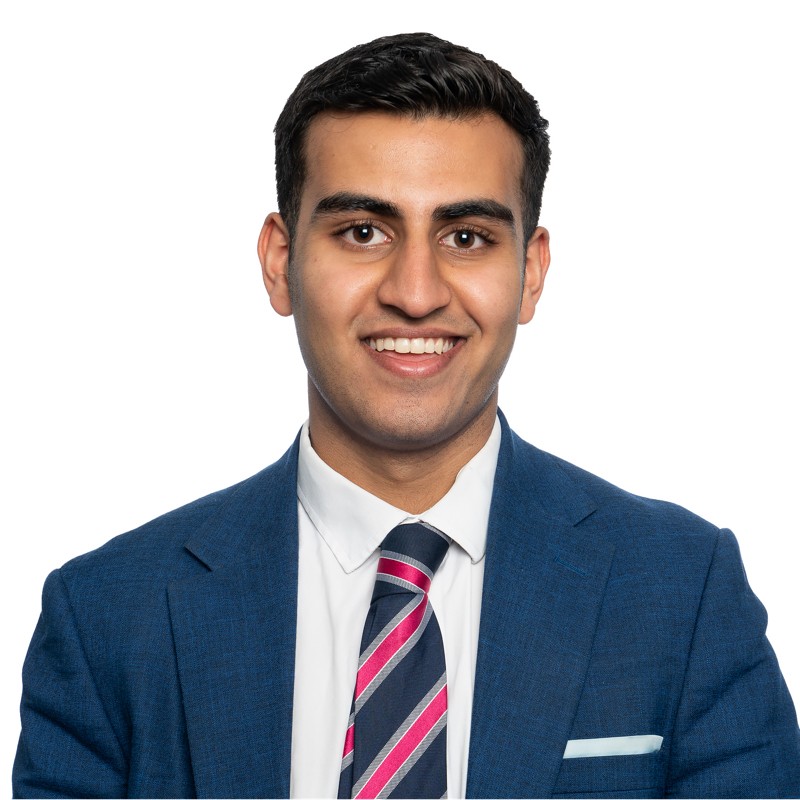
ECS's documented law outcomes also include vacation schemes at Cleary Gottlieb, Slaughter and May, Travers Smith and Perkins Coie. Hassan Akram's recruitment work and ECS advisory, in which he has reviewed more than 10,000 applications and related candidate materials, inform the preparation ECS teaches. ECS's view is that commercial awareness and structured answers matter whether a candidate is targeting Herbert Smith Freehills, Slaughter and May or Kirkland & Ellis London.
ECS's advice is to do the preparation before the scheme starts. A scheme is short, and it is hard to build commercial fluency from nothing during seat rotations. Treat the first day as part of the assessment.
Next step
The ECS 1-to-1 Advisory reviews candidates' applications and builds their preparation. Apply for a diagnostic at /start. Families can read Hassan's methodology for parents or explore the Corporate Law Vault for ECS's firm research.
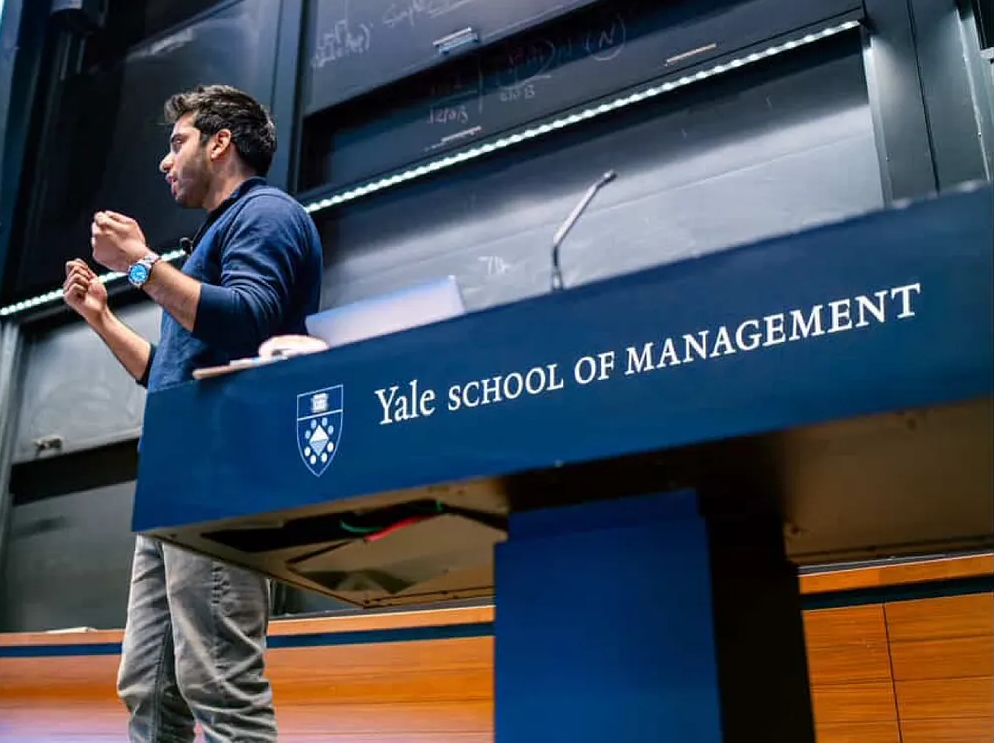
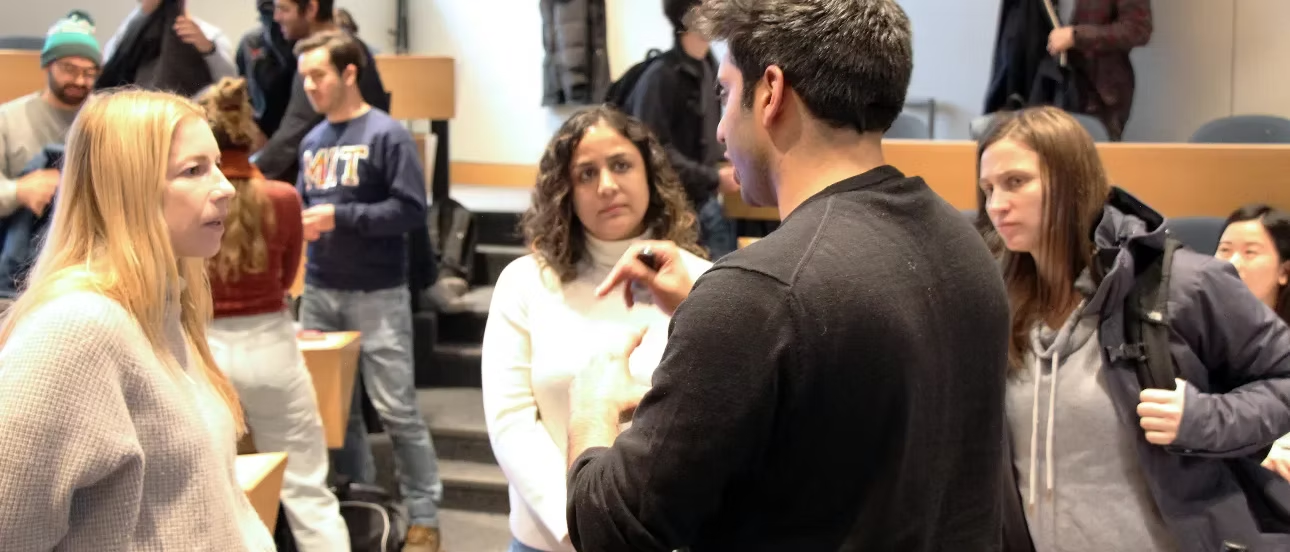
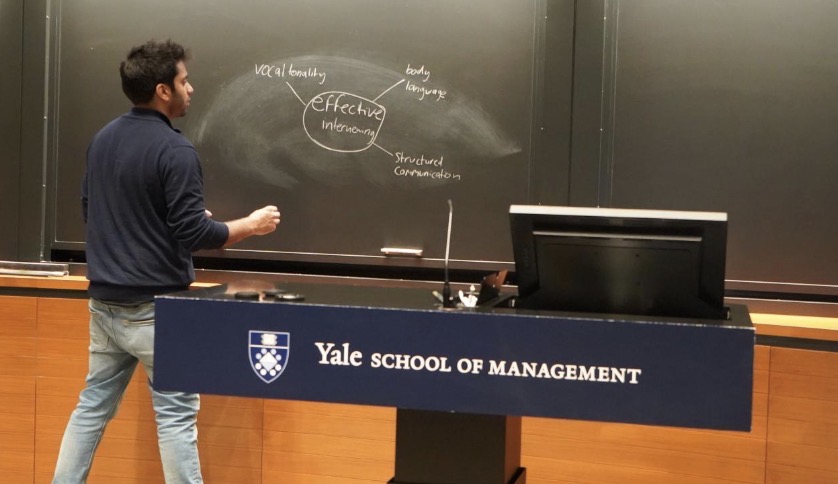
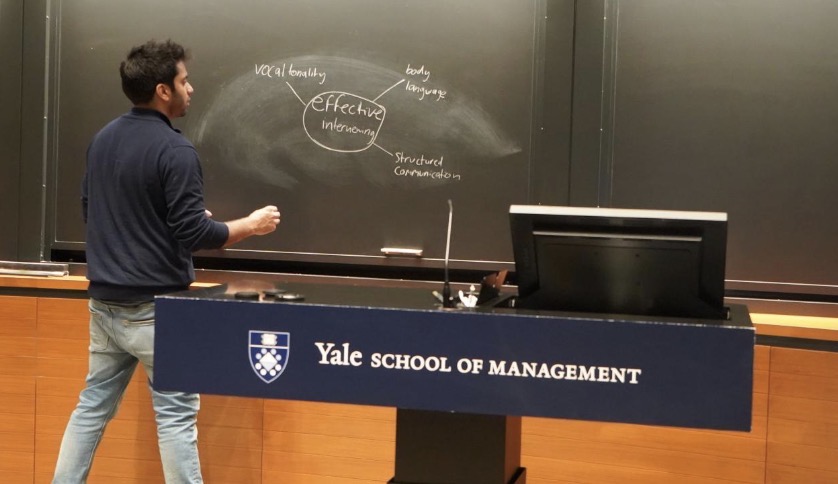
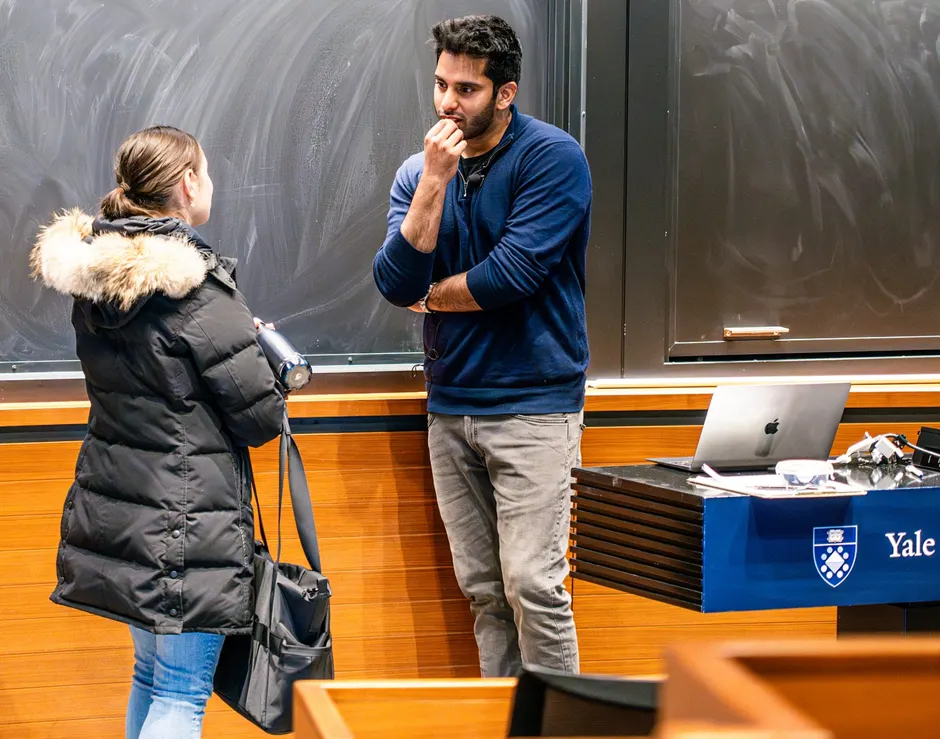
Hassan Akram is the founder of Elite Careers Strategy. Across recruitment work and ECS advisory, he has reviewed more than 10,000 applications and related candidate materials. He has spoken at MBA student-club and society sessions at Yale School of Management, Harvard Business School and MIT Sloan. ECS is independent of every employer and institution named. Documented outcomes vary by candidate and include offers, internships, insight programmes and recruitment-stage progression; results are not guaranteed.
The Next Step
Apply the methodology with guidance.
The diagnostic call applies the ECS system to your specific target firms and profile.
Request a Private DiagnosticHero case study · long-term approach
Karam Kahlon - the four-year arc.
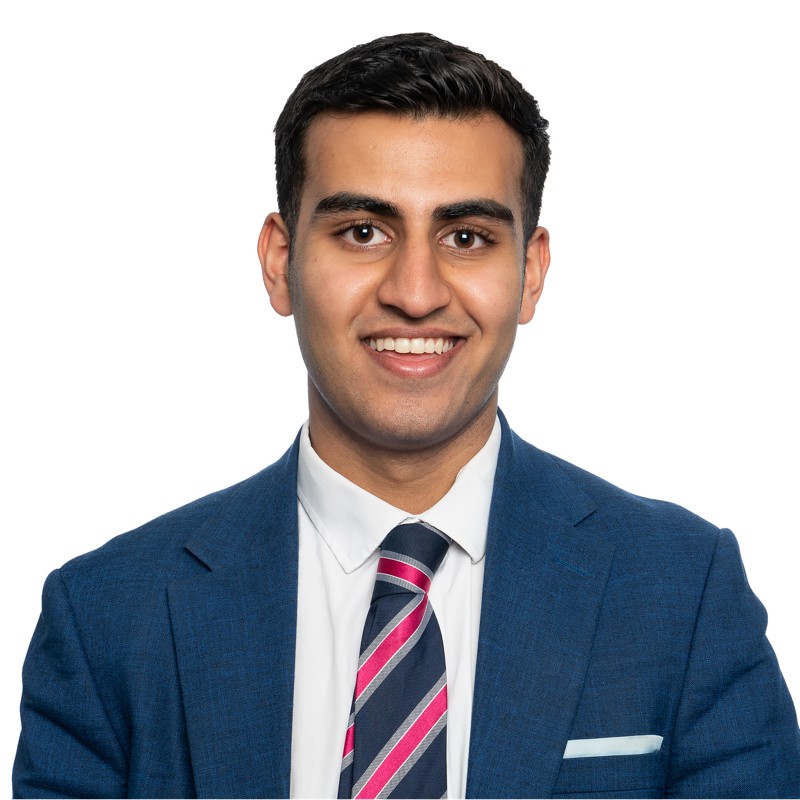
University of Exeter, non-target. Resitting A-levels at AAB. No IB interviews before ECS. A four-year private advisory engagement - the longest-documented continuous client relationship in the ECS track record. Each outcome built on the last.
Year 1: Morgan Stanley Step-In/Step-Out programme, HSBC Spring Week converting to Summer IB Internship, 3i two-day PE insight placement. Year 4 (2026): HSBC 2026 Investment Banking Internship and Blackstone 2026 Spring Insight London. Both confirmed, both verified.
“Honestly you’re the best in the business.”Karam Kahlon, named with full consent